As federal government agencies prepared for the adoption of AI and automation, many discovered that legacy systems and fragmented integration approaches were holding them back. To be truly AI-ready, agencies first needed to ensure they had the right infrastructure, data flows and governance foundations in place.
This executive webinar explored how a modern, low-code integration strategy could lay the groundwork for secure, scalable and AI-ready government services. By consolidating integration and automation tools into a single IRAP-assessed platform, agencies accelerated delivery, reduced external dependency and improved governance, while surfacing trusted, real-time insights that supported future AI adoption.
Key topics included:
How to reduce integration complexity and delivery costs by enabling internal teams
Embedding data security, auditability and control with governed, reusable APIs
Accelerating timelines by unifying automation and integration on a single platform
Supporting agency-wide visibility and agility with low-code orchestration
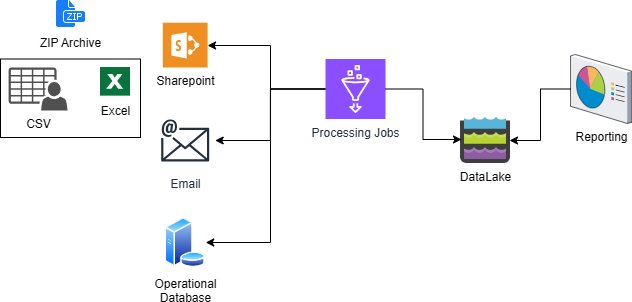
Preparing for AI by automating secure data flows across modern and legacy systems
This session was ideal for technology leaders seeking to modernise securely, govern at scale and position their agencies for success in an AI-enabled public sector.
Your expert facilitators:

Tammy Braybrook
Senior Director Data Capability and Analytics, Australian Maritime Safety Authority

John Deeb
General Manager ANZ, Field CTO APAC, Workato




Help your peers
Share what you've learned with fellow public servants