Episode Overview
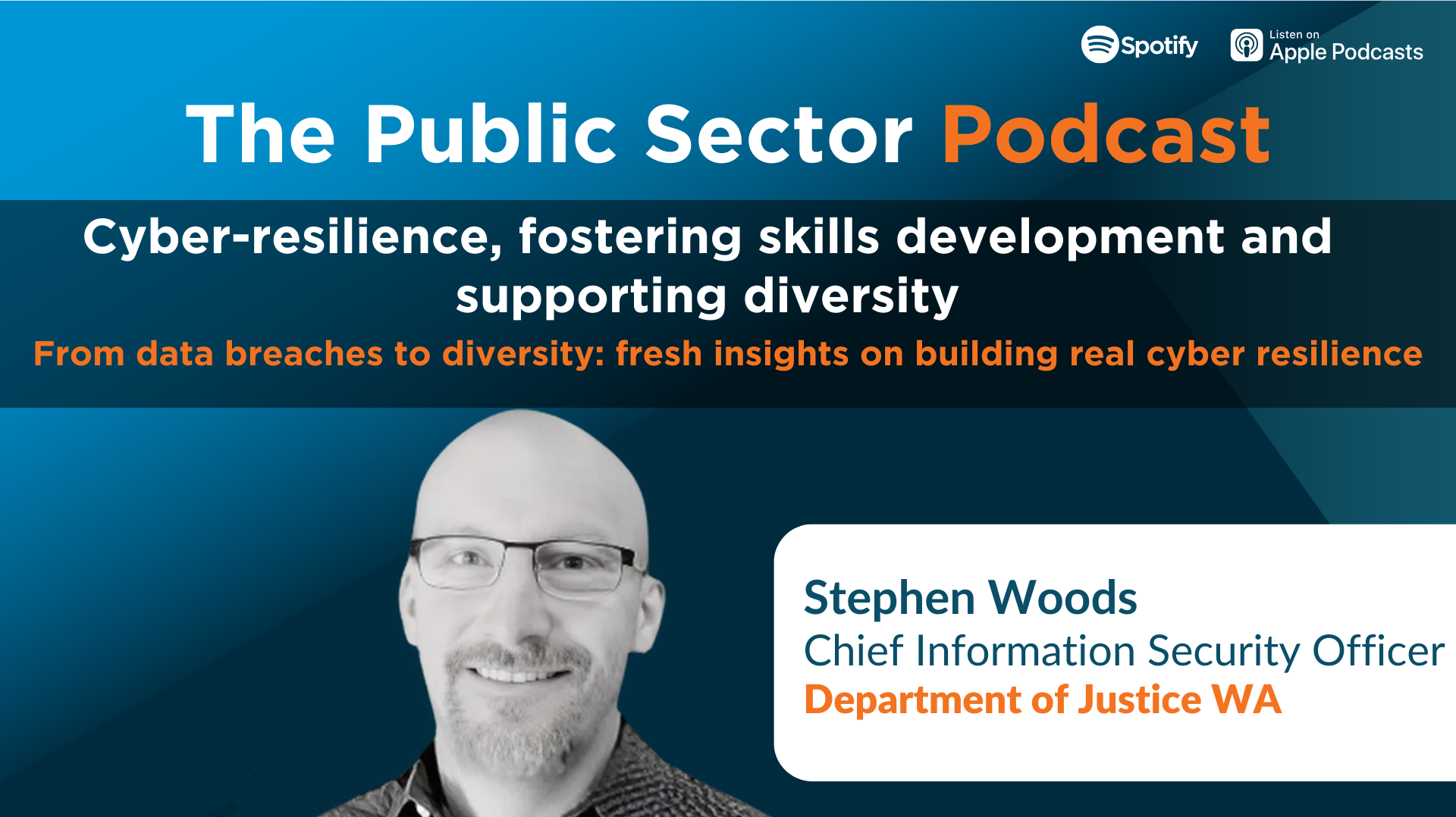
In this episode, Stephen from the WA Department of Justice shares why cyber resilience is critical for government, communities, and individuals. With a career journey from biochemistry to cybersecurity, he highlights the importance of protecting sensitive data, preparing for inevitable breaches, and building trust through resilience.
Why Cyber Resilience Matters
Cyberattacks are not if but when.
Justice agencies hold high-value data—from court records to registries—making them prime targets.
Resilience means being able to anticipate, withstand, recover, and adapt after attacks.
Key Challenges
Regional risks: WA’s vast geography complicates secure connectivity for courts and services.
Incident overload: The department’s major incident team handles frequent alerts.
Trust: Recovery isn’t just technical—citizen trust must also be rebuilt.
Building Resilience
Anticipate: Prepare systems and monitor early signals.
Withstand: Manage crisis impact without team burnout.
Recover: Restore services and data while supporting affected citizens.
Adapt: Learn from incidents and improve plans.
Planning & Testing
Response Plans: Effective only if understood across the department, not just IT.
Exercises: Simulations and the Corporate Compromise Game revealed critical gaps, shifting responsibility beyond cyber teams.
Diversity as a Superpower
Different perspectives improve detection and response.
Language and cultural skills help analyse global threats.
Neurodiversity & inclusion programs strengthen teams.
Justice is embedding measurable targets through a Diversity and Equity Index.
Key Takeaway
Cyber resilience is about more than technology—it’s about people, culture, and trust. By planning, testing, and embracing diverse perspectives, agencies can recover faster and build stronger digital defences for the future.










Help your peers
Share what you've learned with fellow public servants