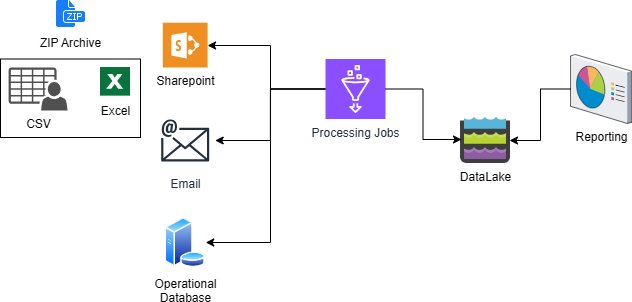
This session examined how agencies are using analytics and integrated data to support forward-looking, evidence-based decision making. For my organisation, the message is that strategic insight now depends on real-time data access, cross-dataset integration and clear pathways for turning raw data into actionable intelligence for senior leaders.
Both speakers stressed that building organisational intelligence requires cultural uplift as much as technical capability. This means I need to prioritise data literacy, curiosity and storytelling skills across teams, ensure staff can interact with data directly, and use visualisation and narrative techniques that help decision makers understand the ‘so what’ behind the analysis.
The panel underscored that AI will accelerate capability—but only if staff are supported, trained and confident. For my role, this means balancing risk and experimentation, using AI to build internal capability (not replace it), and ensuring use cases are grounded in policy needs while uplifting governance, sharing and safe access to data across the organisation.


Foreword: Ensuring AI Tools And Capability Are Geared for Good and for All
This year’s Data, Analytics and AI track at the Federal Government Innovation Showcase underscored a pivotal shift in how Australians expect to engage with government, a shift driven by the rapid rise of generative AI as a primary gateway to information and services. Insights from the latest Digital Citizen Report revealed that more than half of Australians already turn to generative AI when searching how to interact with government, seeking immediacy, clarity and round-the-clock support. This signals a new era in public service delivery, where citizen expectations are evolving faster than traditional systems can keep up.
Across the event, speakers highlighted a widening divide between digital demand and digital trust. While communities increasingly welcome AI-enabled convenience, they also want reassurance that their data is secure, their privacy is protected and automated decisions are accountable. For public sector organisations, this makes responsible AI adoption and strong data foundations essential. Big ticket items like modernising legacy systems, uplifting data quality and designing transparent, human-centred digital experiences were identified as prerequisites for the safe and effective AI integration at scale.
A recurring theme was the critical role of legacy modernisation in unlocking this next wave of capability. Demonstrations of AI-powered tools, showed how agencies can transition away from ageing, high-cost systems and move toward modern architectures that support agility, innovation and improved citizen experiences. By reducing technical debt and accelerating delivery cycles, these approaches allow teams to reinvest time and resources where it matters most: reimagining the front door of government services.
This booklet brings together key takeaways from every session: distilling the insights, lessons and forward-looking strategies shared by leaders across the public sector. Designed to support learning, collaboration and action, it reflects a collective commitment to building trustworthy, citizen-centred and AI-enabled government for the years ahead.
Cassandra Bisset, Head of Strategy, Objective Corporation
AI Ready

Ian Jansen, VP Customer Solutions, Objective
This session unpacked what it really means to be “AI ready”, highlighting that most organisations remain early in the maturity curve despite heavy investment. Ian Jansen outlined where AI is delivering value today, why so few pilots reach production and why data quality, workflow brittleness and poor use-case selection remain major blockers. For leaders, the message is that AI readiness isn’t about tools, it’s about foundational scaffolding in place to curate information from multiple business systems and repositories. Organisations need disciplined processes for screening and optimising information so it is fit for AI activities, produces accurate answers and can withstand audit. This foundational work is critical to moving from concepts to production-quality solutions and ultimately enabling more proactive service models.
For your organisation, becoming AI ready demands equal focus on people, governance and practical guardrails, not just technology. Jansen stressed the rising risks of Shadow AI, the importance of privacy, sovereignty and human oversight, and the need for explainable, defensible outputs. This means roles across the organisation need to champion structured data, clear ethical parameters and strong change management to ensure safe and strategic AI use. Equally, having governance underpinnings in place to support emerging scenarios and business demand will help organisations scale and meet internal and external demand.
The opportunity lies in targeted, real-world use cases that solve operational problems while building confidence and momentum. Examples from government, from mobile-phone-use detection to rail security workflows, show that value comes from clearly defined problems, strong data foundations and measurable risk reduction. For leaders, this is a signal to prioritise practical, high-impact use cases that fit your operational context rather than chasing hype-driven initiatives, which are critical to deliver on the productivity promise AI can offer.
Trustworthy AI – Are Your Systems Safe and Responsible? Managing AI Risks in the Public Sector
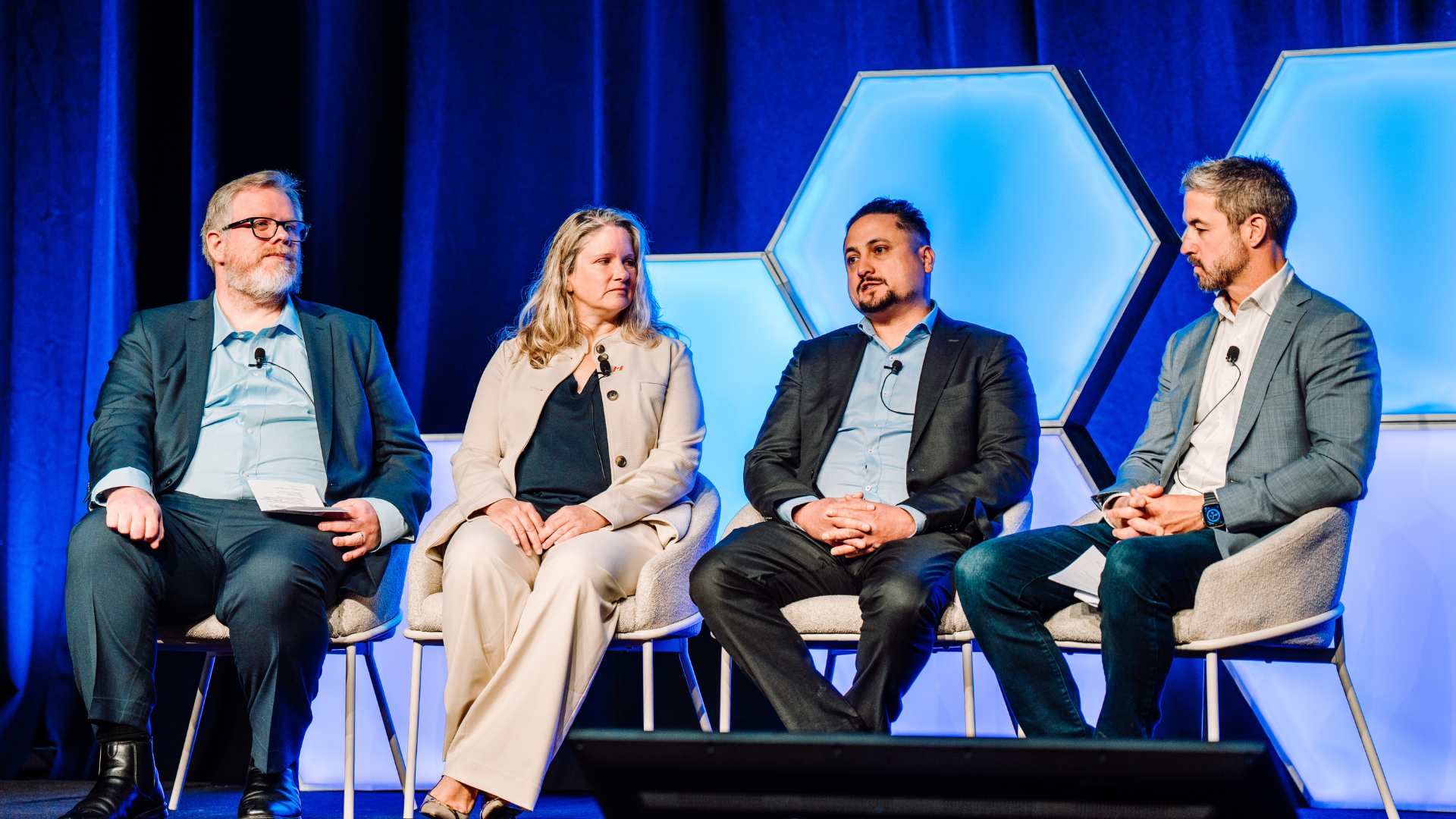
Kara Beckles, Executive Director, Privacy and AI Policy, Treasury Board of Canada Secretariat
Andreas Bleich, Data Champion/Assistant Secretary, Data, Research, Strategy Division, Department of Infrastructure, Transport, Regional Development, Communications and the Arts
Alex Reuter Town, Executive Director, Data Analytics, ACCC
This session explored how governments are putting guardrails around AI use, moving from “are we allowed to use it?” to “where and how should we use it responsibly?” Panellists described evolving policy frameworks, from Canada’s Directive on Automated Decision-Making and mandatory impact assessments to Australian agency-level gen AI policies and safe “sandboxes” for experimentation. For public sector leaders, the message is to provide clear, practical rules of engagement, not blanket bans, so staff understand what is permitted, what is high risk and when human oversight is mandatory.
For your organisation, trustworthy AI is inseparable from strong data governance, fit-for-purpose oversight and a culture that supports safe experimentation. The panel highlighted that AI is forcing long-standing data issues to the surface and is becoming the “carrot” that finally motivates better data stewardship. Agencies are working on right-sized governance so low-risk uses are not overburdened, while higher-risk, rights-affecting decisions get formal scrutiny. This means your role increasingly involves lifting data quality, clarifying accountability and ensuring AI is used to solve real problems, not as a “hammer looking for a nail”.
The real opportunity lies in targeted, high-impact use cases that improve services and regulatory outcomes, while actively managing workforce and trust impacts. Examples included automated immigration and tax decisions with human triage for complex cases, proactive use of complaints and scam data, and using AI to individualise support for vulnerable cohorts. At the same time, panellists stressed the need to build AI capability across the workforce, address job-loss fears honestly and foster communities of practice. For executives, this means investing in people and operating models as much as in tools, so AI enhances public value without eroding public trust.
Solving the legacy tech challenge with AI app modernisation
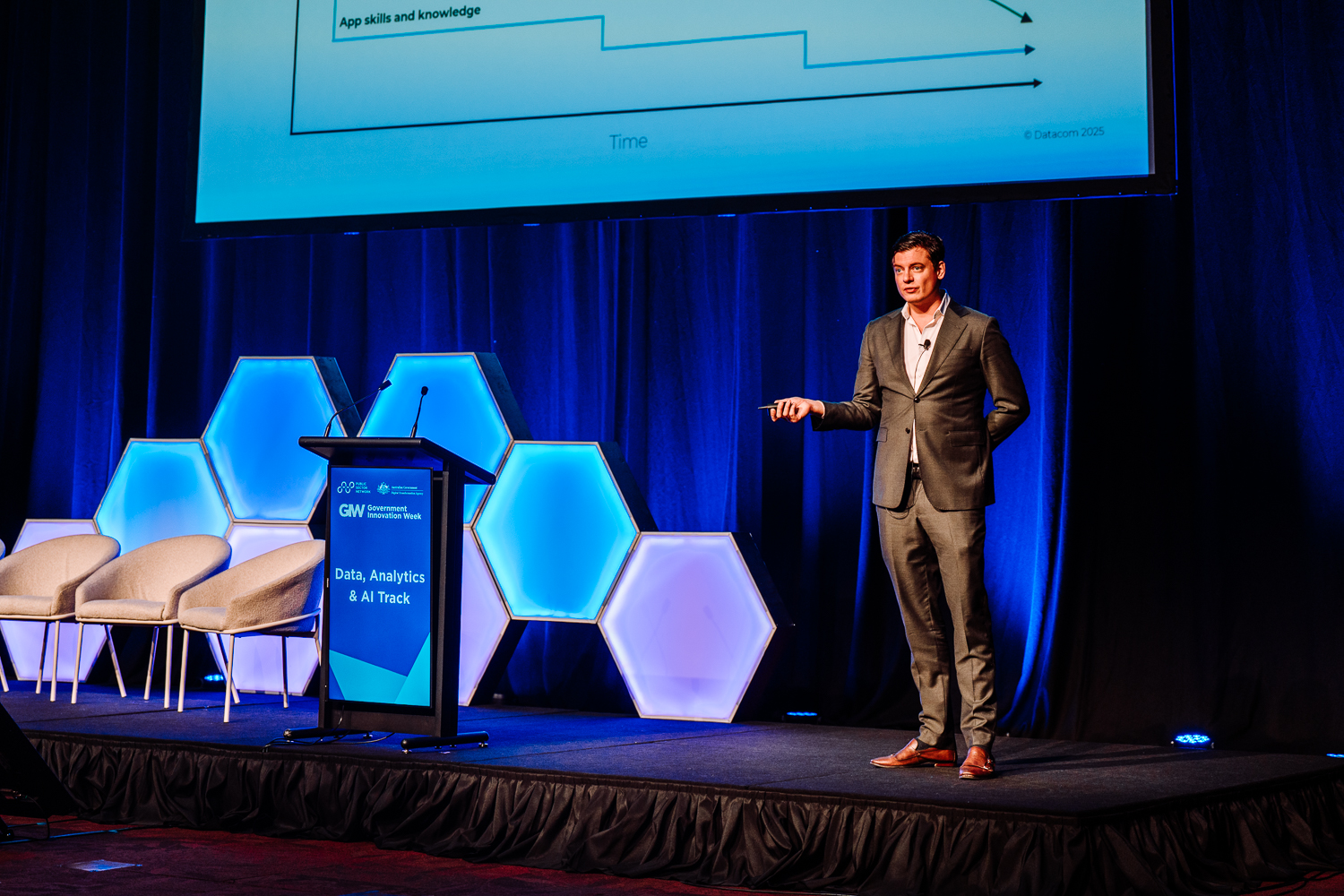
Aram Lauxtermann, Director of Market Strategy & GTM, Datacom Australia
This session showed how AI “agent teams” can radically change the economics and risk profile of legacy modernisation, turning it from a risky multi-year program into a more controlled, iterative exercise. Datacom’s model uses autonomous agents acting as BAs, PMs, developers and testers to document, rebuild and validate old systems, focusing first on like-for-like migration before adding new features. For your organisation, this reframes modernisation from a one-off, high-risk rewrite to a repeatable, industrialised process.
For leaders, the key shift is from people doing everything manually to people supervising AI-driven delivery and quality control. The approach keeps work inside familiar tools (Jira/Azure DevOps), but agents generate documentation, sprint backlogs, code and test plans, with humans validating outputs and decisions. That means your role increasingly becomes setting the guardrails, choosing target architectures and ensuring the right problems are being solved, rather than resourcing every task with scarce specialist skills.
The value proposition is lower cost, lower risk and higher confidence that the “new” system behaves exactly like the old one where it matters. By automating impact analysis, code conversion and side-by-side behavioural testing of legacy and modern apps, Datacom claims material reductions in direct and indirect costs and a sharper security posture. For public sector agencies locked into ageing platforms, this suggests a practical path to free up 60-80% “keep the lights on” spend and reinvest in new citizen-facing capability, without betting the farm on a big-bang replacement.
AI: Acquired Insight
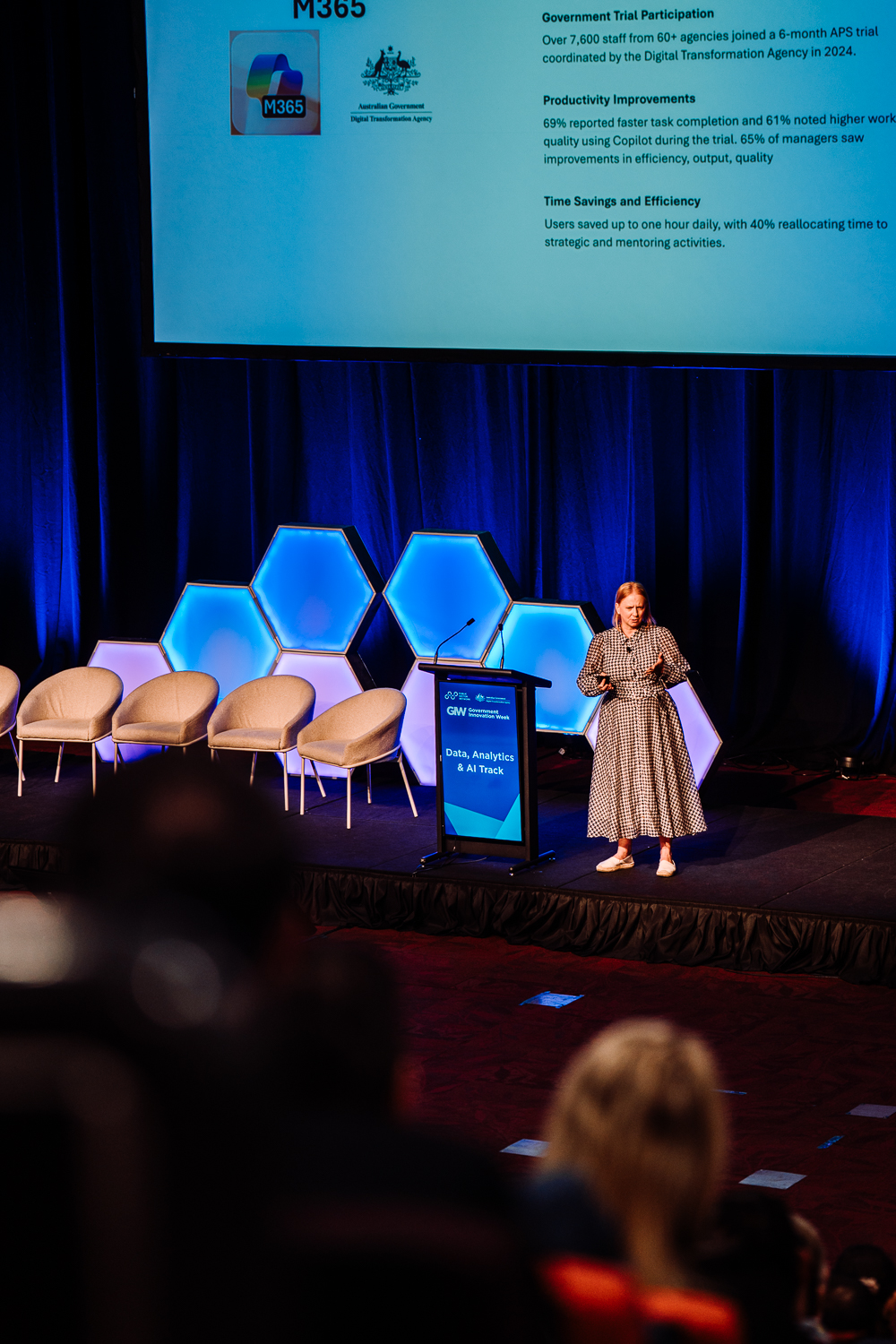
Jennifer Bardsley, Assistant Secretary, Corporate and Case Systems, Department of Home Affairs
This session highlighted how rapidly AI capability is permeating core corporate systems, from HR and finance to ITSM and M365, and what that means for government organisations. Jennifer Bardsley shared insights from research across platforms and sectors, showing that generative AI, agents and agentic AI are already embedded in mainstream tools (Microsoft 365, SAP, ServiceNow). For public sector teams, this means AI is becoming part of the operating environment and not just something “new to adopt”, meaning staff will increasingly interact with systems through natural language rather than navigating applications.
For your organisation, the real value lies in carefully choosing where AI enhances productivity, accessibility and service experience, while remaining alert to risk, particularly in HR and recruitment. Examples like Copilot trials showed strong gains in task completion and work quality, and emerging translation and ITSM capabilities can improve inclusivity and self-service. But case studies of biased recruitment algorithms and public sector review findings underscore the need for human oversight, high-quality training data and clear boundaries around automated decision making.
Leadership focus now needs to shift toward governance, lifecycle management and cross-platform coordination of AI capabilities. With AI agents increasingly able to “talk” across systems, organisations require consolidated oversight, from AI asset registers to bias checks and performance monitoring. Jennifer emphasised that tools for governing AI are still maturing, but demand will be high. For executives, this signals the need to build governance capacity early, ensuring AI is deployed safely, transparently and in ways that strengthen rather than undermine trust in public administration.
Global Insights on the AI Frontier
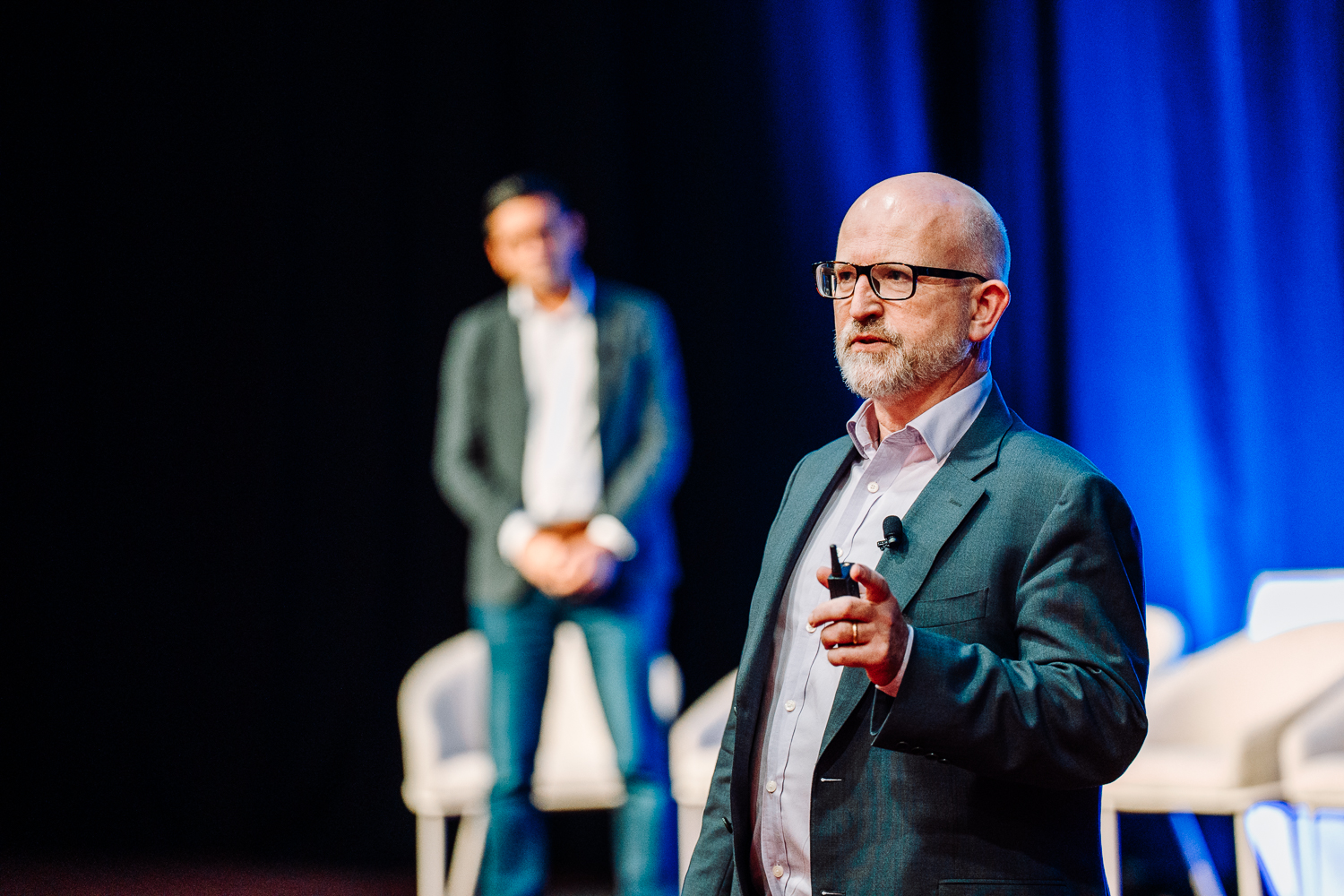
Darren O'Shannassy, Associate Vice President Public Sector Australia and New Zealand, Infosys
Arun Kannan, Head of Data and AI Australia and New Zealand, Infosys
This session highlighted the global shift from “digital-first” to “AI-native” government, driven by cohesive data foundations and cross-agency integration. Infosys outlined how jurisdictions are increasingly connecting datasets across departments to allow AI to operate over whole-of-government information rather than siloed systems. For your organisation, this signals a structural change: data architecture is no longer a technical concern but the backbone of AI-enabled public service delivery.
Becoming AI-native unlocks real-time decision making, automated service flows and personalised engagement at scale. The speakers described governments moving toward predictive insights, automated case handling and context-aware citizen interactions rather than static, request-based service models. For leaders, the implication is clear: efficiency gains will come from orchestration and automation across the service chain, not from isolated AI pilots.
This global trajectory is already shaping a broader Data and AI economy around government. As agencies modernise their data platforms and embed AI into operations, ecosystems of vendors, research institutions and start-ups are forming around these capabilities. For your organisation, this means partnerships and interoperability will increasingly determine your ability to innovate and deliver cohesive citizen experiences.
Maximising AI Value in Government and Scaling AI Impact

Heather Cotching, Assistant Secretary/ Branch Head, Data, Digital and Analytics, Department of the Prime Minister and Cabinet
Hiro Noda, Coordinator, Artificial Intelligence and Emerging Technology, Australian Federal Police
Eleanor Williams, Managing Director, Australian Centre for Evaluation, Australian Treasury
Clara Lubbers, Director – Strategy, Digital Services, Department of Health, Disability and Ageing
Dan Saldi, Founder & Applied AI Director, Xaana
The panel emphasised that value from AI comes from moving beyond experiments to sustained, system-level adoption grounded in clear problems and measurable outcomes. Government leaders stressed that too many pilots remain disconnected from real operational needs. To scale impact, agencies must define success metrics early, align AI use cases to mission priorities and integrate solutions into existing workflows rather than treating them as standalone tools.
AI is emerging as a force multiplier when paired with strong governance, domain expertise and human oversight. Whether in policing, policy evaluation, health or service delivery, the panelists highlighted that AI enhances—not replaces—professional judgement. The organisations seeing meaningful returns are those that invest in capability uplift, embed risk controls and maintain human accountability while using AI to reduce cognitive load and accelerate insight generation.
Citizen-centred AI is the new benchmark: agencies must measure success by outcomes that matter to the public, not by internal metrics alone. This means focusing on improved accessibility, faster service resolution, better-targeted interventions and greater trust. The panel emphasised that scaling AI safely requires transparent communication, clear ethical guardrails and rigorous evaluation frameworks. For leaders, this places impact measurement, evaluation literacy and whole-of-government coordination at the heart of successful AI strategy.
Powering Intelligence: Unleashing Analytics and Leveraging Insights for Strategic Decision Making Across the Organisation

Susie Kluth, Chief Data Officer, Department of Education
Alex Reuter Town, Executive Director, Data Analytics, ACCC
Acknowledgement
This key takeaways article was written in collaboration with Objective.
Objective Information Intelligence empowers government organisations to take complete control of their information, reducing risk, ensuring compliance, and unlocking the full value of their data. All without disrupting how teams work.
Seamlessly connect to your existing systems to automatically enforce governance, maintain security, and optimise information for modern technologies, including AI solutions such as Microsoft Copilot and private RAG implementations.
From secure collaboration and records management to information sharing and compliance, Objective Information Intelligence simplifies how your organisation manages and leverages information, driving transparency, stronger compliance, and greater efficiency across every department.
With Objective Information Intelligence, your organisation gains a trusted foundation for defensible, AI-ready information, helping you make confident, data-driven decisions while maintaining complete control.

Published by
About our partner
Objective Corporation
Objective Information Intelligence empowers government organisations to take complete control of their information, reducing risk, ensuring compliance, and unlocking the full value of their data. All without disrupting how teams work.Seamlessly connect to your existing systems to automatically enforce governance, maintain security, and optimise information for modern technologies, including AI solutions such as Microsoft Copilot and private RAG implementations.From secure collaboration and records management to information sharing and compliance, Objective Information Intelligence simplifies how your organisation manages and leverages information, driving transparency, stronger compliance, and greater efficiency across every department.With Objective Information Intelligence, your organisation gains a trusted foundation for defensible, AI-ready information, helping you make confident, data-driven decisions while maintaining complete control.
Learn more






Help your peers
Share what you've learned with fellow public servants