Local governments across Australia are facing a period of unprecedented complexity. Their responsibilities have grown far beyond the traditional “roads, rates, and rubbish,” encompassing areas such as early childhood programs, climate initiatives, and community wellbeing.
“Our role has grown far beyond the 3Rs — we’re now delivering everything from kindergarten reform to climate resilience programs,” says one council leader, highlighting the breadth of modern local government duties.
Councils are being asked to do more with fewer resources. Rising demand for services is outpacing operational capacity, creating real strain on teams already operating at full stretch.
“Doing more with less isn’t a saying anymore — it’s the operating reality for local government,” notes an executive reflecting on current operational pressures.
The pace of policy and regulatory change adds further complexity. Councils often juggle multiple new reforms each year, from planning and infrastructure to emergency management, with limited additional funding.
“Reforms move faster than our resourcing; we’re expected to keep pace without the funding or time to match,” explains another council leader, emphasizing the gap between expectation and capacity.
Digital expectations are also increasing. Communities now demand faster, smarter, and more transparent services — putting pressure on councils to invest in digital transformation amid budget constraints and legacy systems.
“Our communities expect seamless digital services, yet many councils struggle to prioritise these investments while maintaining core services,” says a senior officer in local government.
Despite these challenges, councils continue to deliver on the front line, driving innovation and adapting to evolving community needs. Strengthening partnerships, securing sustainable funding, and aligning reforms with capacity are critical to ensuring councils can continue to serve effectively.
Key Metrics
Councils face 10–15 new reforms per year, on average.
Service demand is rising 1.5–2 times faster than operational capacity.
Community digital service expectations have increased over 40% in the past five years.
Staffing and budgets have not grown proportionally to expanded responsibilities.
- Miranda Shaw, Executive Specialist, Cyber Assurance and Engagement, Australian Securities and Investments Commission
- Tanya Milczarek, Director, Cyber Services, Department of Agriculture, Fisheries and Forestry
- Yifan Zhang, a/g Assistant Secretary, CISO Internal Services and Cyber Branch ICT Division, Department of Finance
Recommendations

Let's Chat: Women Leaders in Government & Tech | International Women's Day
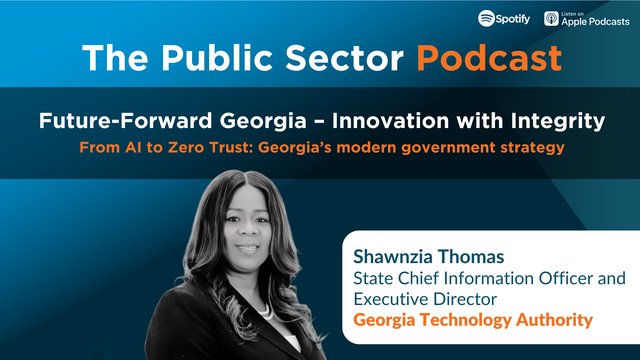
The Public Sector Podcast: Future-Forward Georgia – Innovation with Integrity

Australian data hosting is now available for Figma customers on Enterprise
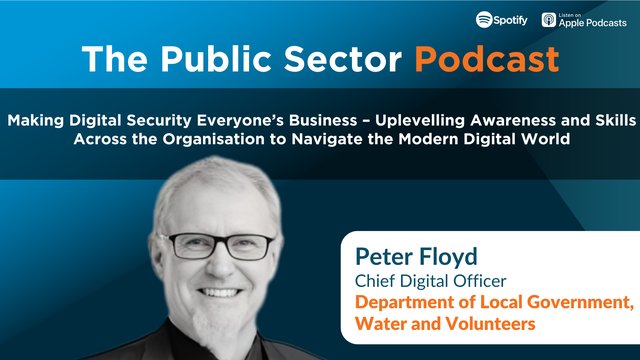
The Public Sector Podcast: Making Digital Security Everyone’s Business – Uplevelling Awareness and Skills Across the Organisation to Navigate the Modern Digital World