Miranda Shaw, Executive Specialist in Cyber Assurance and Engagement at the Australian Securities and Investments Commission, highlights a pressing challenge: Australia’s cyber workforce faces critical skills shortages, while women remain significantly underrepresented across cyber roles. This imbalance limits the diversity of perspectives necessary to tackle a growing and complex threat landscape.
“Boosting female participation is not simply a matter of equity—it is a strategic imperative for capability, innovation and resilience,” Shaw emphasized, framing the discussion as a core business and national priority.
The session explores strategies to unlock diverse thinking, close the skills gap, and boost team performance:
Unlock diverse thinking to strengthen problem-solving and innovation in cybersecurity.
Close the skills gap by tapping into an underrepresented and capable talent pool.
Boost performance through inclusive teams proven to deliver stronger outcomes.
Shaw shared personal reflections on early STEM engagement:
“As a mother of two daughters, I was horrified when my 6-year-old came home and said she hated STEM,” she said, highlighting the importance of nurturing interest in technology from a young age.
She also addressed workplace barriers:
“These women typically will expect that they need to demonstrate every single one of those capabilities listed on your job specification to feel like they're a strong candidate,” Shaw explained. “Men will typically look at 60 to 70% of those competencies and feel eligible.”
Promoting inclusive recruitment, safe workspaces, mentorship, and advocacy are key levers for change. “Women can't be or young girls can't be what they don't see,” Shaw noted, stressing the power of role modelling in shaping future cyber talent.
Several initiatives support this mission, including the Australian Women in Security Network (AWSN) and the Australian Cybersecurity Strategy, which offer mentoring, learning opportunities, and guidance for inclusive recruitment practices.
Here's what we found out:
Women hesitate to apply unless meeting 100% of the role competencies; men apply at 60–70%.
Early STEM engagement is critical: perceptions are shaped as early as 6 years old.
Inclusive teams deliver stronger outcomes and innovation by leveraging diverse perspectives.
Role modelling and advocacy can measurably shift workforce gender balance within 3–5 years.
Cyber workforce faces critical skills shortages amid a growing threat landscape.
Recommendations
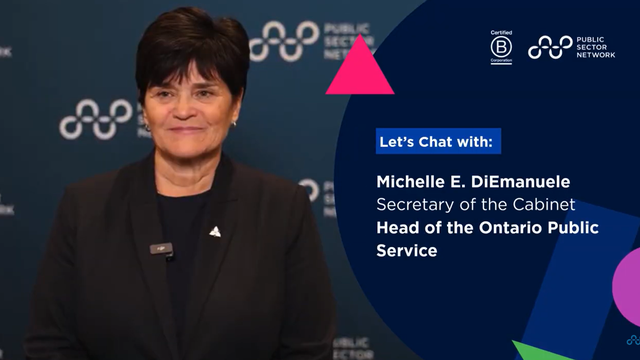
Let’s Chat: Leading Change and Modernization in Ontario’s Public Service
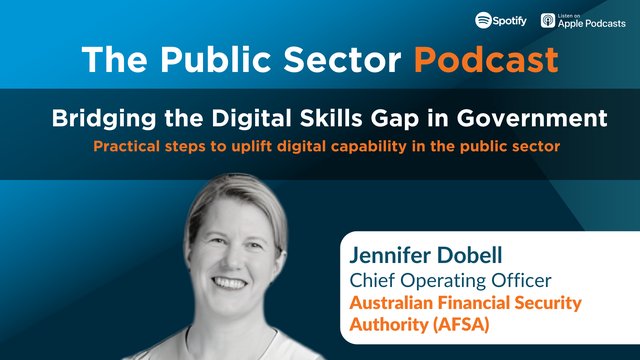
The Public Sector Podcast: Bridging the Digital Skills Gap in Government

Beyond legacy: The human and structural risks slowing modernisation in government and regulated industries

Australian Public Sector AI Adoption Ramping Up, Yet Progress Hampered by Fragmented Systems and Data